
Designed and built in Brooklyn
Explore Our Shelf Styles


Shelf Styles
-


Octagon Shelf with Key Hook in Oak
From $24.00From $24.00FREE Shipping in USSolid Hardwood + Hidden BracketPick From Three Sizes -


Mahogany Octagon Shelf with Key Hooks
From $24.00From $24.00FREE Shipping in USSolid Hardwood + Hidden BracketPick From Three Sizes -
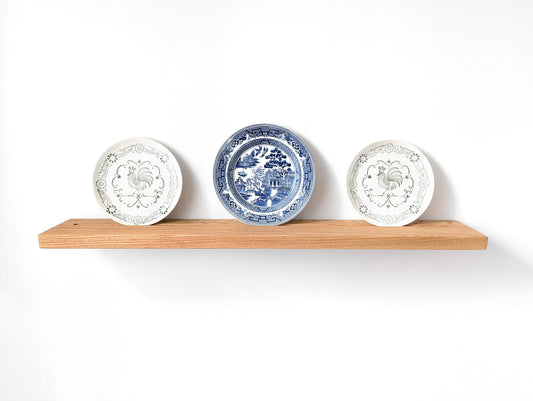
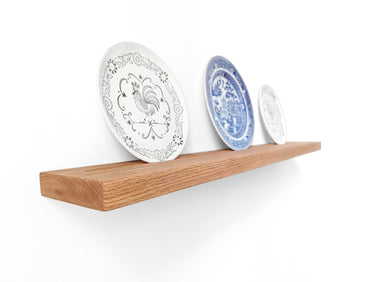
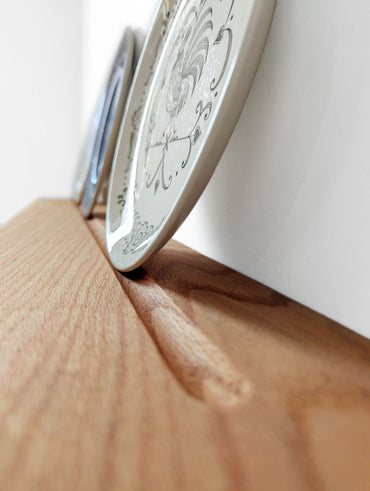
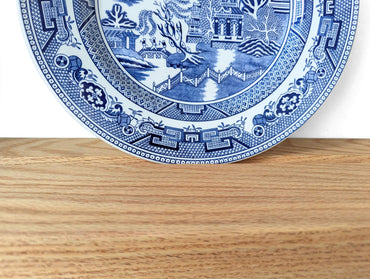
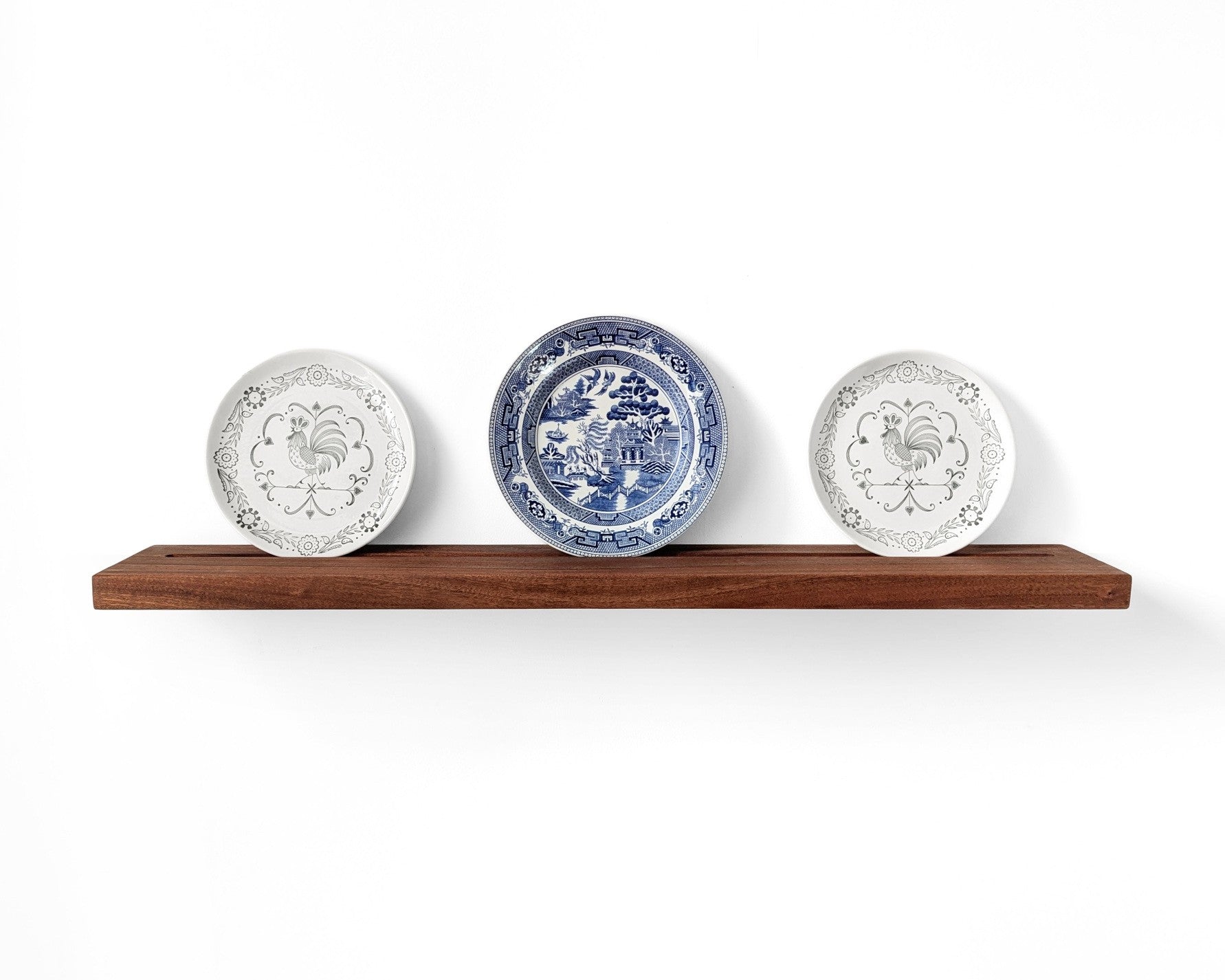
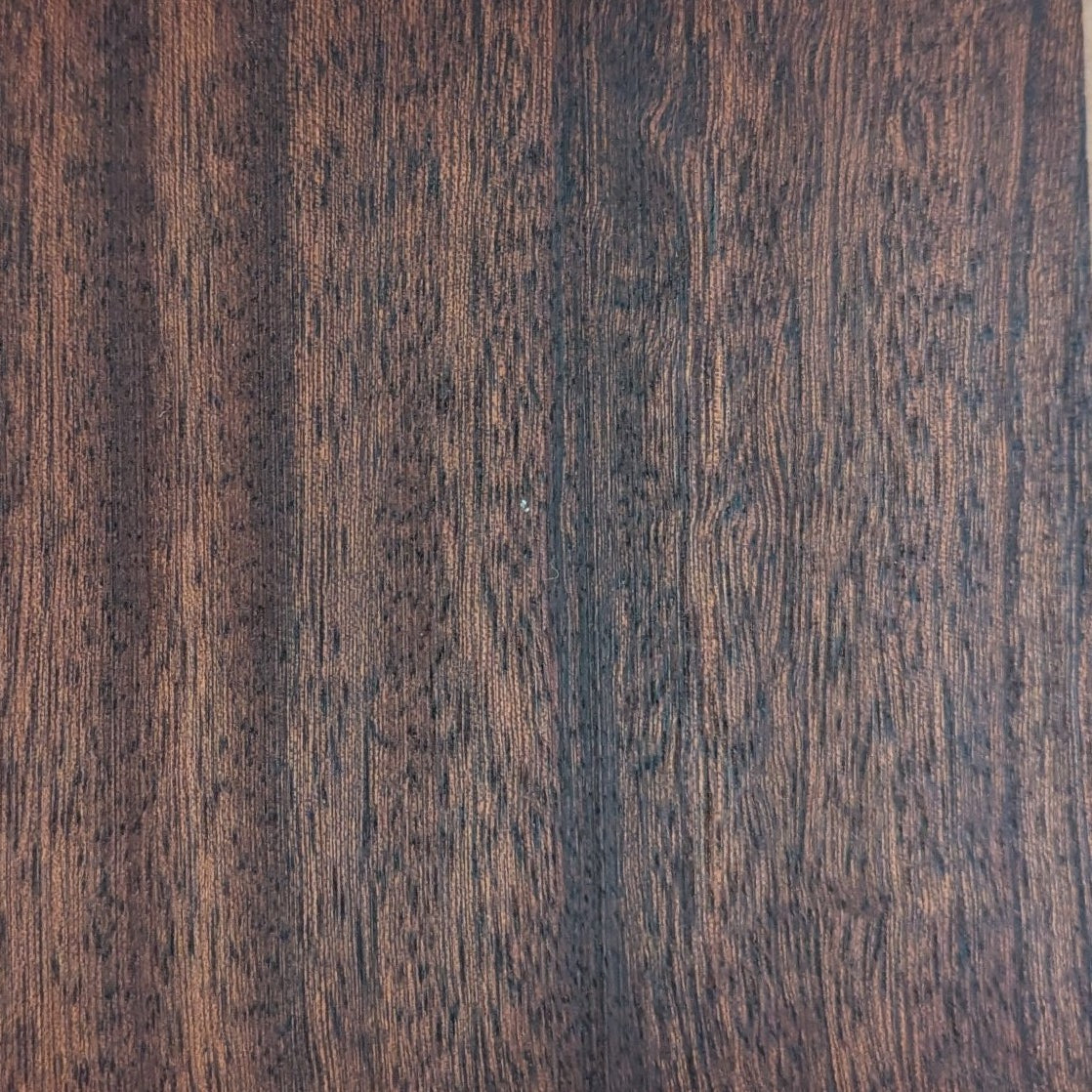
Plate Display Shelf in Oak
From $101.00From $101.00FREE Shipping in USSolid Hardwood + Hidden BracketOrder Any Size -


Plate Display Shelf in Mahogany
From $101.00From $101.00FREE Shipping in USSolid Hardwood + Hidden BracketOrder Any Size -


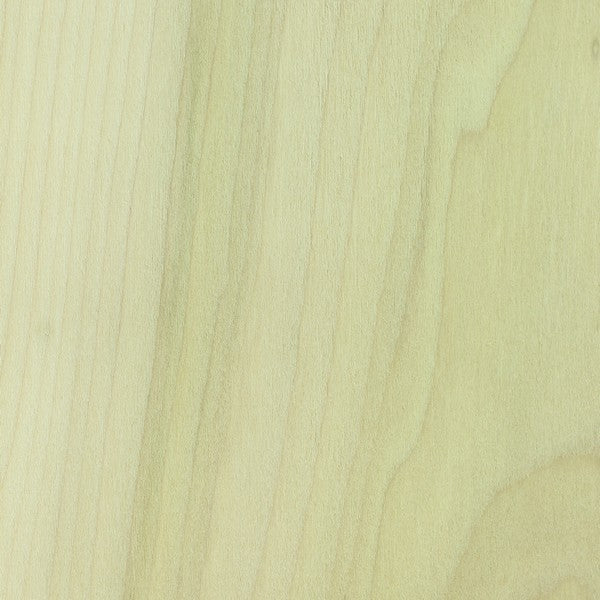
Vinyl Record Floating Shelf in Oak
From $68.00From $68.00FREE Shipping in USSolid Hardwood + Hidden BracketsBuilt in Groove -


Vinyl Record Floating Shelf in Mahogany
From $68.00From $68.00FREE Shipping in USSolid Hardwood + Hidden BracketsBuilt in Groove -


Square Propagation Station Shelf for Plant Cuttings
From $39.00From $39.00FREE Shipping in USSolid Hardwood + Hidden BracketPick From Three Sizes -


Octagon Propagation Station Shelf for Plant Cuttings
From $39.00From $39.00FREE Shipping in USSolid Hardwood + Hidden BracketPick From Three Sizes -


Triangle Propagation Station Shelf for Plant Cuttings
From $39.00From $39.00FREE Shipping in USSolid Hardwood + Hidden BracketPick From Three Sizes -


Rhombus Propagation Station Shelf for Plant Cuttings
From $39.00From $39.00FREE Shipping in USSolid Hardwood + Hidden BracketPick From Three Sizes -


Trapezoid Propagation Station Shelf for Plant Cuttings
From $39.00From $39.00FREE Shipping in USSolid Hardwood + Hidden BracketPick From Three Sizes -


Propagation Shelf Set for Plant Cuttings
From $101.00From $101.00FREE Shipping in USSolid Hardwood + Hidden BracketPick From Six Sets -
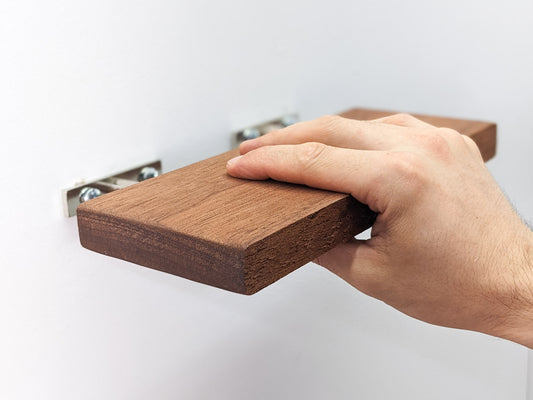
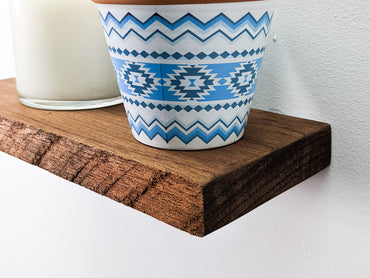
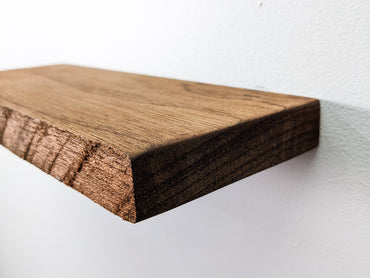
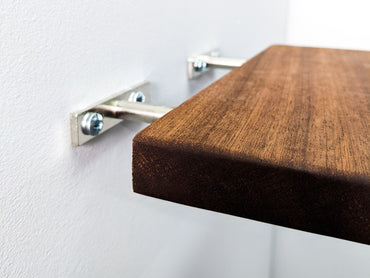
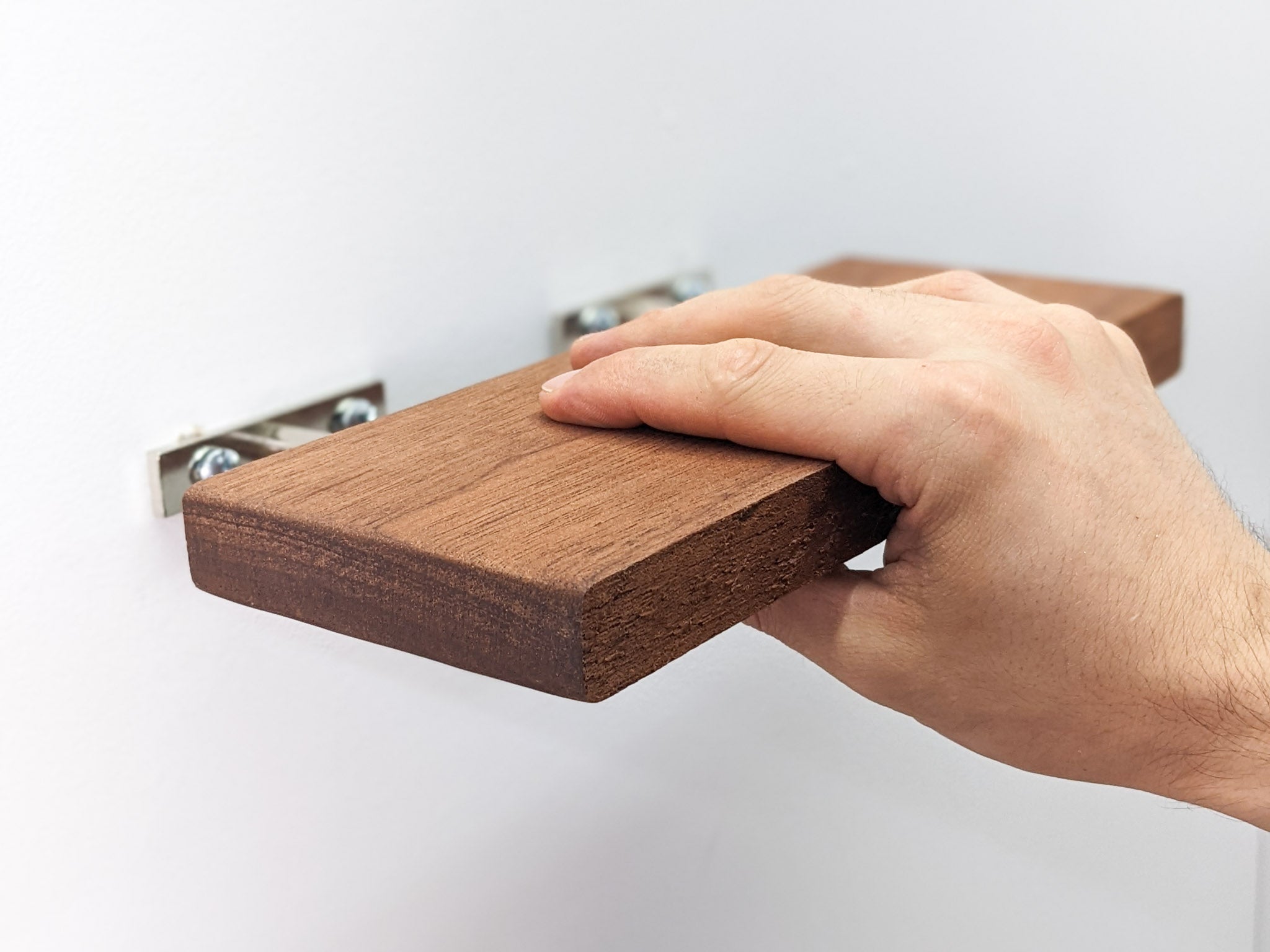
Rustic Rough Sawn Floating Shelf in Mahogany
From $46.00From $46.00FREE Shipping in USSolid Mahogany + Hidden BracketsOrder Any Size -
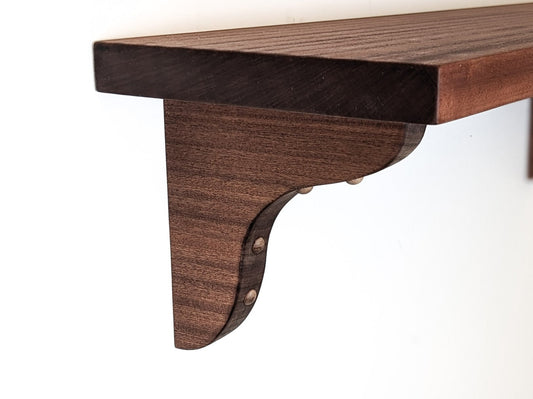
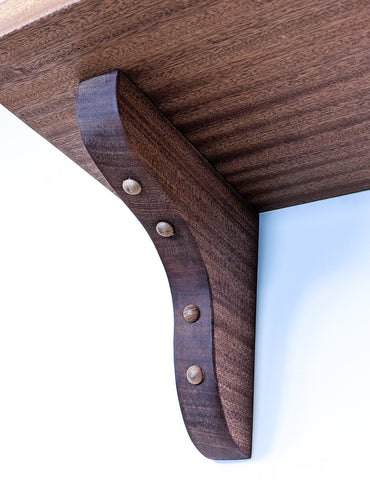
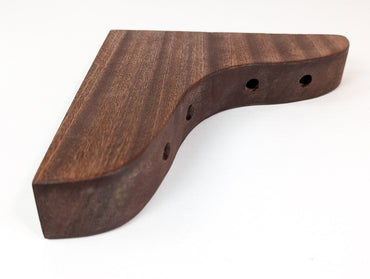
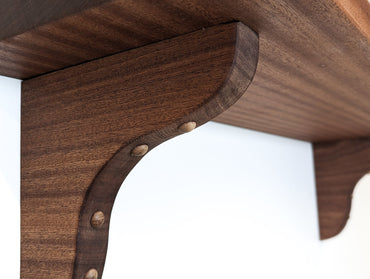

Solid Wood Shelf Brackets (Corbels) for Wall Shelves
From $44.00From $44.00FREE Shipping in USSolid Hardwood BracketsOrder Any Size -


Coffee Mug Shelf for Glasses and Coffee Cups
From $109.00From $109.00FREE Shipping in USSolid Hardwood + Cast IronMulti-level Organization -


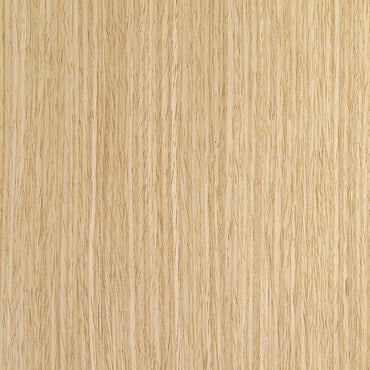
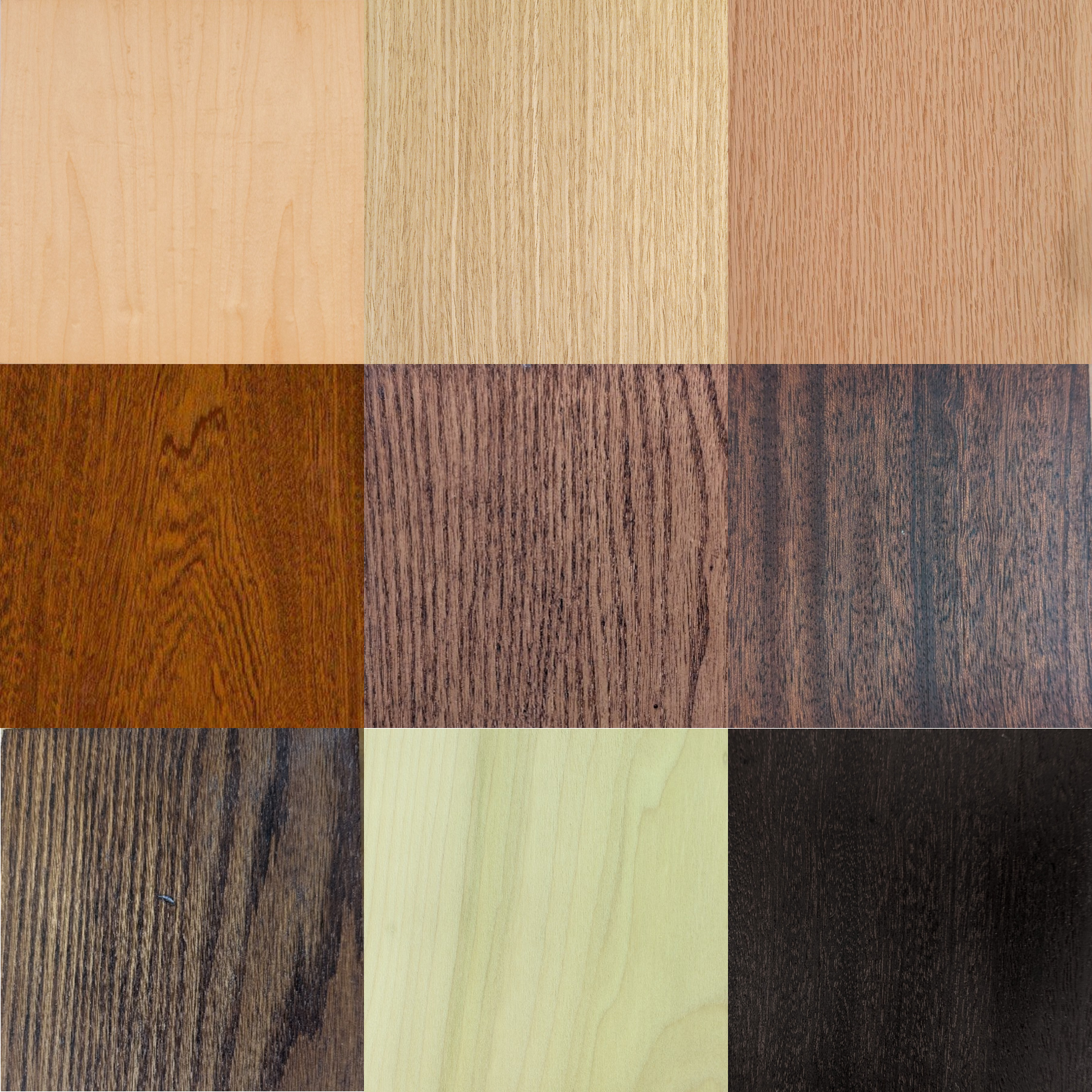
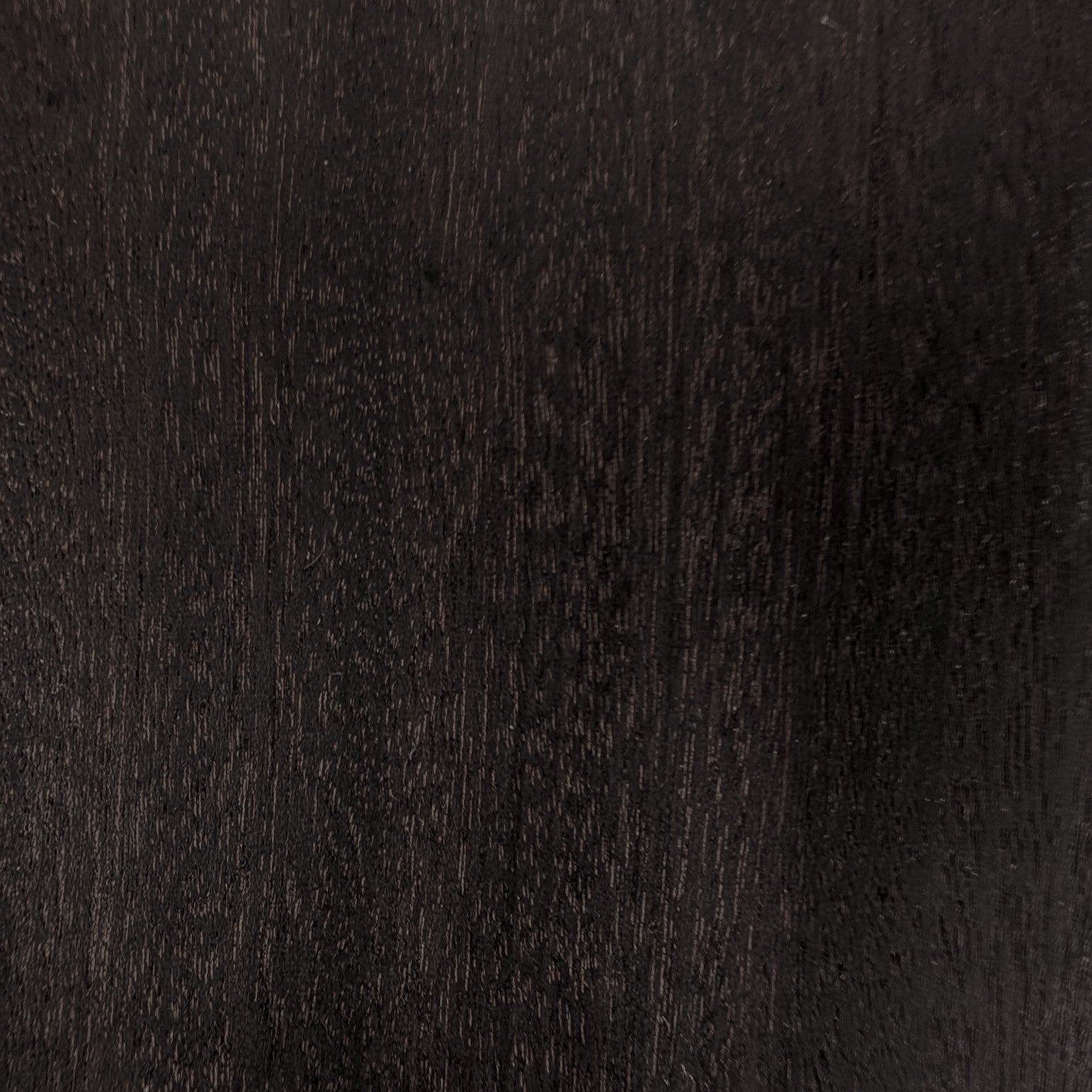
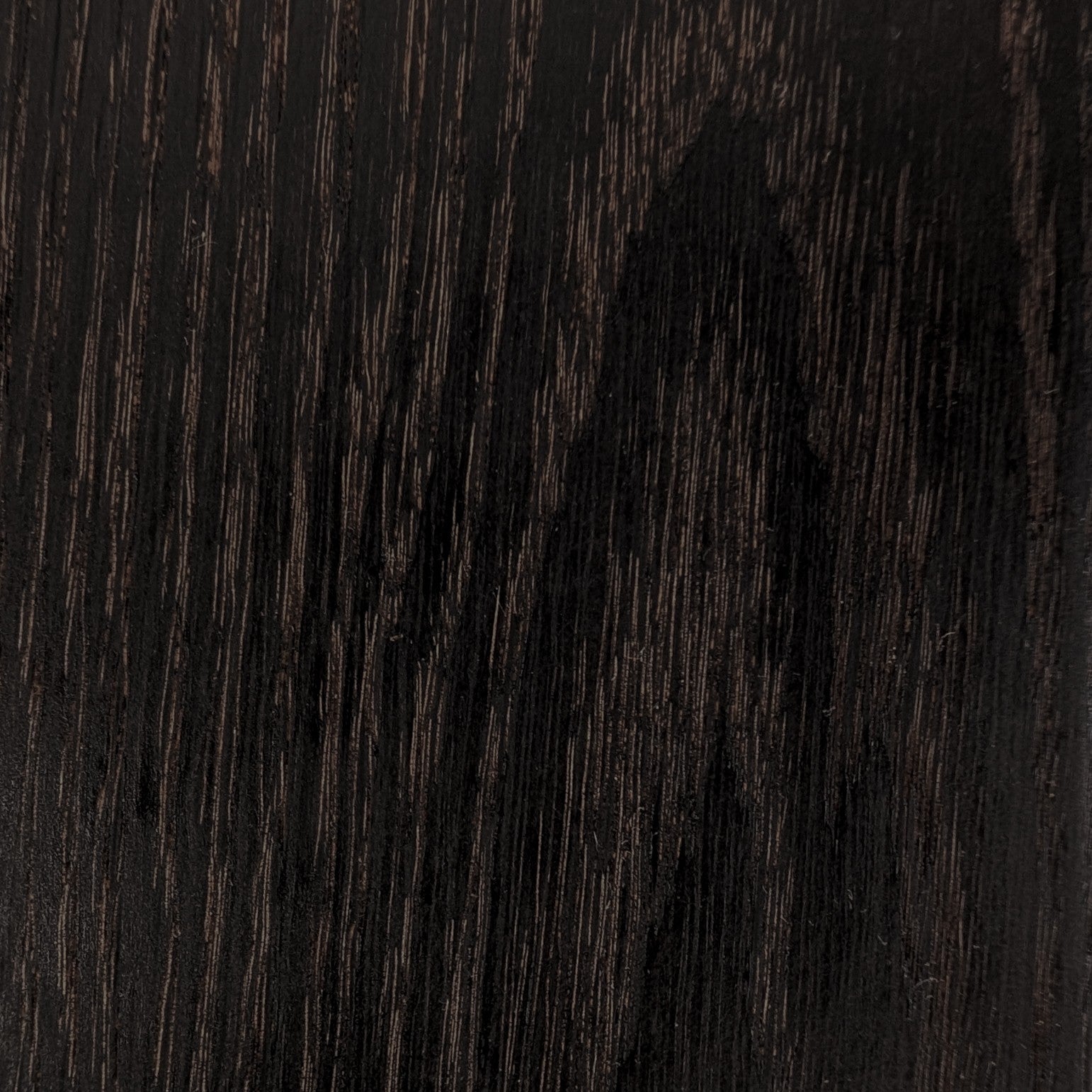
Samples & Swatches
$10.00$10.00FREE Shipping in US -


Powder Coated Steel Shelf
From $44.00From $44.00 -


Powder Coated Steel Bathroom Shelves
From $44.00From $44.00 $0.00 -


Powder Coated Steel Mantel Shelf
From $44.00From $44.00 -


Powder Coated Steel Picture Ledge Shelf
From $38.00From $38.00


Browse by style: hidden bracket floating shelves for the clean look, visible bracket shelves when the support is part of the design, rounded corners for softer lines, freeform curves for sculptural walls, and heavy duty builds for real loads. Same Brooklyn woodshop behind all of it.