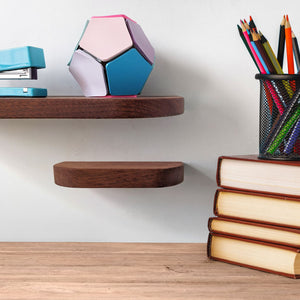


The selection of the material for floating shelves for living room can entirely transform the appearance and feel of the living room. Starting with the sparse design of apartments and comfortable household accommodation, the living room design built on floating shelves on the wall will provide storage as well as appearance without clutter. Durability, complements to the décor, and help in the needs of decorative or functions are achieved by the right material.
The choice of material used will be significant, whether it is a floating woodworking shelf on the wall where books and decorations are to be stored or a shelf where plants are to be stored. It is possible to choose between traditional wood and solutions based on modern engines, with their individual advantages. The performance of the materials is known and is used to produce decorative floating shelves that will be beautiful, stable, and relevant over the years.
Why Does Material Selection Matter for Living Room Floating Shelves?
The strength, appearance, and durability are dependent on the choice of the material. Shelves used in living rooms are usually display areas, and thus they are required to support weight as well as improve aesthetics.
Floating shelves for living room environments are supported by material to keep them stable, avoid wear and tear, and integrate seamlessly with other items of furniture, flooring, and lighting.
What Materials Work Best for Living Room Floating Shelves?
Material #1: Solid Wood as a Timeless Choice
A woodworking shelf made of solid wood is also one of the most common choices because it is more effective and has natural beauty. It carries on the decorative pieces that are heavier and provides warmth to the living room. Each shelf has a unique grain. Solid wood is particularly effective in decorative floating shelves that can also serve as a source of focus. Humidity and aging are guarded by proper sealing.
Key Advantages
● Natural grain and texture
● High load-bearing capacity
● Long-lasting durability
● Traditional and contemporary suits
Material #2: Engineered Wood for Consistency
Engineered wood is consistent and cheap, with a clean finish. It is effective in floating shelves on the wall, whereby a consistent color and smooth surfaces are required. It is a lightweight material, which is easier to install. The engineered wood floating shelves are appropriate in contemporary interiors and can be matched with minimalistic furniture.
Key Advantages
● Smooth, even finish
● Budget-friendly option
● Easy customization
● Lightweight structure
Material #3: Plywood with Hardwood Veneer
Hardwood veneer plywood shelves are cost and strength-balanced. Such shelves do not warp easily compared to solid wood in changing temperatures. In the case of floating shelves for living room, the use of veneered plywood can be effective as it is durable and has an elegant appearance. This fabric helps in decorating as well as serving storage purposes.
Key Advantages
● Powerful overlayed building.
● Reduced warping risk
● Natural wood appearance
● Stable for large spans
Material #4: MDF for Decorative Applications
Hardwood veneer plywood shelves are cost and strength-balanced. Such shelves do not warp easily compared to solid wood in changing temperatures. In the case of floating shelves for living room, the use of veneered plywood can be effective as it is durable and has an elegant appearance. This fabric helps in decorating as well as serving storage purposes.
Key Advantages
● Powerful overlayed building
● Reduced warping risk
● Natural wood appearance
● Stable for large spans
Material #5: Metal-Core Reinforced Shelves
Metal core shelves are made with steel strength with a wood or laminate exterior. The design enhances support of weight and still comes out as floating. These shelves can be used as floating shelves on the wall that should hold books, works of art, or electronics. The core is made of metal to make it stable in the long term.
Key Advantages
● High-strength support
● Slim shelf profile
● Hidden reinforcement
● Long lifespan
Material #6: Reclaimed Wood for Character
Reclaimed wood would bring character and grains in living rooms. Every woodworking shelf constructed out of reclaimed material has natural flaws that make it interesting to look at. This material is appropriate for rustic, industrial, or eclectic interiors. With good treatment, durability and safety are guaranteed.
Key Advantages
● Unique visual appeal
● Eco-friendly selected materials.
● Strong aged wood
● Adds warmth and character
Material #7: Glass for Contemporary Styling
Glass shelves are smooth and contemporary with a bare minimum of decoration. They are used to light decorative objects, and they create visual openness. Glass is compatible with metal decorations and contemporary furniture. These shelves will be suitable for floating closet shelves designs.
Key Advantages
● Clean and modern appearance
● Reflects light
● Visually lightweight
● Easy maintenance
Can Floating Shelves Be Used Beyond Living Rooms?
Yes, floating shelves can be used not only in the living rooms, but in places that are storage-oriented.
Floating closet shelves require materials that are strong and that occupy less space. Designed wood and metal-core can be used in closets to hold clothing accessories, boxes, and folded garments, leaving the floors free.
Comparison Table: Floating Shelf Materials
|
Material Type |
Best Use Area |
Strength Level |
Style Impact |
|
Solid Wood |
Living Room |
High |
Warm, classic |
|
Engineered Wood |
Living Room |
Medium |
Modern |
|
Plywood Veneer |
Living Room |
High |
Natural |
|
MDF |
Decorative Areas |
Low–Medium |
Smooth |
|
Metal-Core Shelf |
Living Room |
Very High |
Minimal |
|
Glass |
Living Room |
Low |
Contemporary |
How to Choose the Right Material
Choice of materials will be determined by use, decoration, and load.
Selection Guidelines
● Determine weight requirements.
● Corresponding material to the style of decoration.
● Moisture and temperature to be considered.
● Stability and sustainability.
Conclusion
Floating closet shelves should be made with the best materials that will depend on use, design objectives, and room utilization. Reinforced and solid wood shelves are strong, whereas engineered materials are consistent and cost-effective. The decoration of the living rooms with thoughtfully selected floating shelves improves the space organization and appearance. Regardless of whether floating shelves on the wall are designed as a decorative element or floating closet shelves as a storage space, the choice of materials guarantees long-term durability, safety, and classical design.
Upgrade living spaces with expertly crafted floating shelves from Nook Woodworking. You can find designs with premium materials, timeless style, and reliable strength for modern interiors.
FAQs
Which material is strongest for floating shelves?
Shelves that are reinforced using a metal core and solid wood offer maximum strength to floating shelves on the wall that bear heavier objects.
Are floating shelves suitable for closets?
Floating closet shelves do work; however, when constructed of strong engineered wood or metal-core construction, they are well anchored.
Do decorative floating shelves support heavy items?
Floating shelves are usually used to hold light furnishings. The lighter ones need stronger or solid wood shelving materials.