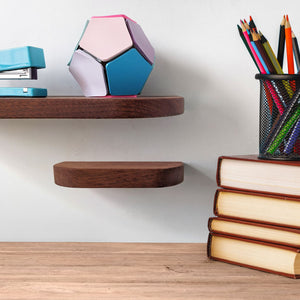


Kitchen floating shelves are now a new trend over the old-fashioned cabinetry at home. They have an open appearance and provide maximum access and style. Wall mounted floating shelves do not occupy much space as compared to bulky cabinets, and they enable homeowners to present the essentials in the kitchen in a nice and appealing way. These designs are functional, yet incorporated with aesthetics, which are in the form of natural wood floating shelves, through to minimalist wall mount shelves. Nevertheless, cabinets continue to be obligatory for concealed storage and organization. The various distinctions between floating shelves and cabinets in a kitchen facilitate the correct selection according to storage requirements, design styles and size of the kitchen to bring about a balance and effective design.

What Are Kitchen Floating Shelves?
Kitchen floating shelves are floating shelves of a wall mount, but these shelves are made without any brackets or supports. They are seemingly suspended on the wall, giving it a clean and contemporary look. These shelves may be composed of materials such as natural wood floating shelves, metal, or engineered wood.
Wooden wall shelves are particularly famous since they provide a kitchen with a warm and several textural elements. Wood shelves mounted on the floor frequently fly as floating shelves on which the most commonly used items (plates, cups, spices, and decorative jars) are kept. They lack doors and have everything readily accessible, unlike cabinets, and boost visual appeal.
How Do Kitchen Floating Shelves Work?
Kitchen floating units can be mounted with either invisible brackets or internal support systems mounted in the wall. This design provides them with a smooth look and is strong.
Wall mounted floating shelves can only be anchored properly on sturdy wall supports or studs to enable them to carry weight. Floating wood shelves may have moderate loads under the conditions of the quality of material and installation. The installation is proper and therefore durable and safe, particularly in the kitchen, where things are used on a regular basis.

What Are Kitchen Cabinets?
Kitchen cabinets are cabinet houses with doors and occasional drawers. They are normally mounted on top and underneath countertops. Cabinets are useful to store stuff, keeping a tidy outlook.
Cabinets, unlike kitchen floating shelves, can hold a wide range of merchandise such as heavy cooking ware and appliances, as well as pantry supplies. They come in various materials like wood, laminate, and metal, with durability and a structured arrangement.
Kitchen Floating Shelves vs Cabinets: Key Differences
1. Design and Aesthetic Appeal
Kitchen floating shelves are modern with an open appearance that increases the visual space. The use of natural wood floating shelves brings about a sense of warmth and elegance. Cabinets, in their turn, offer a more classic and formal look with hidden storage.
2. Storage Capacity
Cabinets offer increased storage space with their enclosed space and compartments. Floating wood shelves are more appropriate for limited and organized storage and display.
3. Accessibility and Convenience
Floating shelves on the wall enable easy access to the usual items. Nothing is hidden or out of reach. Cabs should have doors that need to be opened, which may hinder quick access but aid in safeguarding the items.
4. Maintenance and Cleaning
Floating shelves need regular cleaning since objects are contaminated with dust and grease. Wall mount shelves made of wood might require frequent polishing. Cabinets are used to store things and are frequently subjected to extensive cleaning.
5. Cost Comparison
Generally, the cost of kitchen floating shelves is low compared to cabinets. Wall-mount shelves use fewer resources and cost less on installation. Cabinets are costly because of materials, manpower, and hardware.
6. Installation Complexity
The wooden wall shelves are less demanding and faster to put up. Installing cabinets is a skillful task, particularly when it comes to aligning them with other cabinets in the room and mounting them securely.
7. Durability and Strength
Cabinets are generally heavier-duty and may be able to sustain heavier weights. Natural wood floating shelves may be robust yet suffer from weight constraints based on the mounting and the quality of the materials
Comparison Table: Kitchen Floating Shelves vs Cabinets
|
Feature |
Kitchen Floating Shelves |
Cabinets |
|
Appearance |
Open and modern |
Closed and structured |
|
Storage Capacity |
Limited |
High |
|
Accessibility |
Easy and quick |
Moderate |
|
Maintenance |
Requires frequent cleaning |
Less frequent cleaning |
|
Cost |
Budget-friendly |
More expensive |
|
Installation |
Easy |
Complex |
|
Best Material Options |
Natural wood, metal |
Wood, laminate, engineered woo |
Conclusion
The alternative to traditional cabinets gives a stylish and modern touch to the kitchen design. They improve the accessibility and visual appeal, but have limited storage. Cabinets are also important for heavy and hidden storage requirements. The decision of using wall-mount shelves or cabinets should be determined by the size of the kitchen, usage, and the choice of design. An amalgamation of the two tends to offer the most optimal outcomes, both in terms of being practical and appealing in the form of a functional and attractive kitchen area. You get such wooden wall shelves by Nook Woodworking!
FAQs
1. Do you have enough kitchen floating shelves to support heavy objects?
A moderate weight can be placed on floating wood shelves; however, heavy objects should be placed on cabinets to be safe and durable.
2. Do floating shelves make the kitchen appear larger?
Yes, floating shelves installed on walls generate a sense of openness and lightness, thus making small-area kitchens look bigger and less crowded.
3. Which one is cheaper between floating shelves and cabinets?
Kitchen floating shelves are a cheaper option than cabinets because of their simplified design, and the installation cost is stipulated.